
.avif)
Personalization strategy: what are the prerequisites for success?
Clément Hornec, co-founder of Welyft, reveals the fundamental principles of a productive personalization tactic that
.webp)
Everyone talks about it, but few do it right. Personalization is often sold as the holy grail of digital marketing, capable of turning any visitor into a compulsive buyer. The reality is more nuanced: without a solid foundation, personalization only creates technical complexity and user confusion.
In this video from the CX Master series, Clément Hornec (co-founder of Welyft) doesn't sell you a dream. He breaks down the essential prerequisites before you even configure your first scenario in your A/B testing tool.
The 3 prerequisites before getting started
Don't put the cart before the horse. Before attempting to implement a "one-to-one" approach like Amazon or Netflix, your organization must assess its readiness in three fundamental areas. If these boxes are not checked, personalization may prove to be a wasted investment.
- Advanced data maturity: Do you trust your data? A flawed tagging plan or data silos will render any personalization ineffective.
- An existing CRO culture: If you are not yet performing traditional A/B testing to optimize your common base, personalization is premature. Optimize the general before the specific.
- An identified "pain point": Personalization is not done for the sake of it. It is done to solve a specific problem (e.g., a high bounce rate on a specific segment or an offer that is not understood by a target audience).
Pillar 1: Leadership and governance
Personalization is cross-functional by nature. It touches on Marketing (the message), Product (the display), Tech (integration), and Data (targeting). Without a strong sponsor within management, these silos will not communicate.
As Clément points out in the video, imagine a ship to illustrate this governance:
- The Shipowner (Sponsor/Management): They finance the project, provide political legitimacy, and remove budgetary obstacles.
- The Captain (CRO Manager): He sets the course and strategy and ensures that we stay on track.
- The Crew (Squad): Skilled sailors (Designers, Developers, Data Analysts) who execute maneuvers in a coordinated manner.
If roles are not defined (using a RACI matrix), the project quickly becomes bogged down in subjective debates.
Pillar 2: Mapping the Customer Journey
You can't personalize what you don't understand. It's imperative to map your users' journey to identify moments of truth.
The analysis must be conducted along four strategic lines:
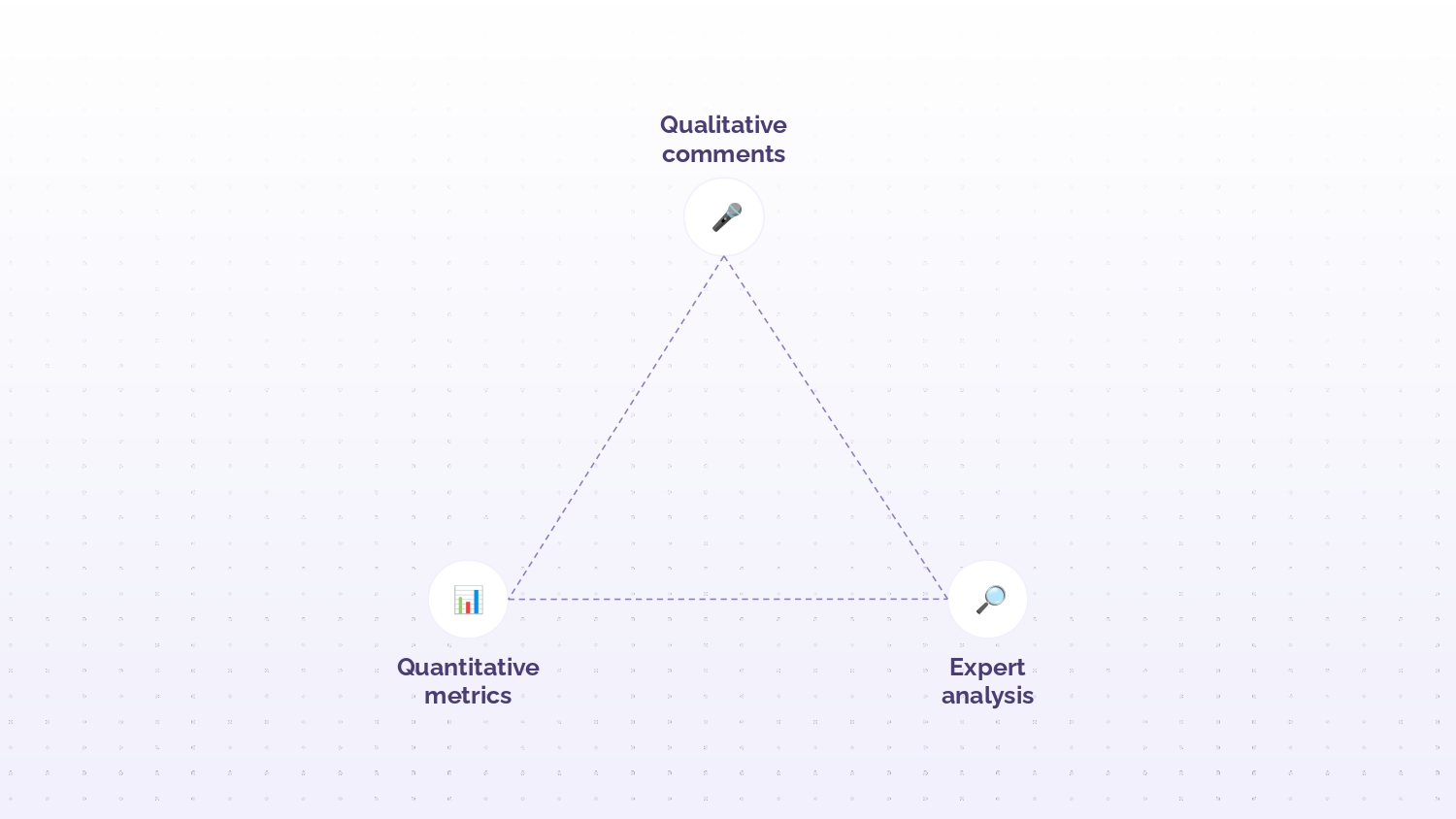
- Segments (Who): Who are your visitors? (New vs. Returning, Mobile vs. Desktop, Buyers vs. Window Shoppers).
- Friction Points (Where): At what stage of the funnel is the drop-off rate abnormal? This is where personalization will have the greatest impact on ROI.
- Touchpoints (When): Where do they come from? (Social Ads Campaign, Emailing, SEO). The acquisition context often dictates the purchase intent.
- The Stack Technique (How): Do your tools (CDP, Analytics) allow you to activate this data in real time?
Pillar 3: The activation strategy (Crawl, Walk, Run)
The classic mistake is to try to hyper-personalize right away. That's the best way to fail due to complexity. Your strategy must follow a gradual maturity curve:
- Level 1 - Generalist (One-to-Many): Overall optimization for everyone (traditional A/B testing). This is the foundation.
- Level 2 - Segmented (One-to-Few): Simple segmentation based on rules. Example: Display a "Welcome" promo code only to new visitors.
- Level 3 - Individualized (One-to-One): Use of predictive algorithms and AI. Example: Product recommendations based on individual purchase history.
If a user belongs to two segments, which message do they see first?
Pillar 4: Integration into the roadmap
Customization should not be a "side project" that you manage when you have time. It should be integrated into your overall optimization roadmap.
Each personalization hypothesis should be prioritized according to the same criteria as your A/B tests (Potential, Importance, Ease). This helps streamline technical resources and ensures that you are working on topics that bring the most business value, rather than technological gadgets.
Ready to take the next step?
Personalization is a powerful conversion lever, but it is demanding. It requires rigor, clean data, and aligned organization.
Do you think you have what it takes, but don't know where to start?
👉 Have your maturity audited by our CRO experts and let's build your personalization roadmap together.


_page-0001.jpg)
_page-0001.jpg)
_page-0001.jpg)
.png)

.png)


.png)
.png)
.png)
.svg)
