
























Experimentation
A/B Testing Execution
Multiply your tests in production
- AB Tasty
- Kameleoon
- Dynamic Yield
- and 3 other tools
An A/B testing agency that validates every hypothesis with data before it goes live.
Hypotheses, mockups, development, QA and analysis: Welyft manages your A/B tests end-to-end, on your experimentation tool.
WHAT IS A/B testing?
Did you know that small changes can have a big impact on your conversions? That's exactly what A/B testing makes possible, and at Welyft, it's our specialty!
What is an A/B test?
Imagine you have two versions of a web page, a button or an ad message:
• Version A: your current design or text • Version B: a slightly modified version
We test these variations in real conditions on your audiences. Then, we precisely analyze which one generates the most clicks, purchases or engagement.

A/B testing agency
Our missions
Our CRO missions upstream of A/B testing are structured to maximize the impact of A/B test results. We start with an audit phase to assess your UX strengths and weaknesses. Then, we identify optimization opportunities through an in-depth analysis of user behavior, customer journeys and current performance.
For continuous improvement, discover our CRO program.
Goal
A CRO audit is a key step to ensure the effectiveness of an A/B testing strategy. It's not just about randomly identifying areas for improvement, but rather structuring tests on solid foundations, relying on reliable data and objective analyses.
During this step, we clarify the method, gather teams' expectations, identify constraints, understand strategic challenges, define objectives and key performance indicators (KPIs), and align the vision of success.
After scoping, we begin the analytics audit, focused on quantitative data from your website. The goal is to analyze user journeys and understand "how" they interact with your templates. This allows us to identify your key audiences and determine where to focus your efforts.
The UX audit aims to understand the "why" behind the potential friction points identified during the analytics audit. Thanks to a CRO analysis matrix, we easily spot the elements on your templates that positively or negatively influence conversion.
By observing user interactions in real-life situations, we identify conversion obstacles and validate the hypotheses formulated during the analytics and UX audits. This allows us to propose concrete, tailored improvements.
Based on data from the audits and tests, we identify the initiatives with the greatest potential impact on conversion, while taking into account available resources and project constraints.
We implement the A/B tests prioritized in the roadmap resulting from the audit, in order to test the different solutions to the identified hypotheses.
Method
An A/B test follows a five-step process: building the hypothesis, validating the test plan and mockups, development, implementing and monitoring the test, then analyzing results and making decisions.
Every A/B test starts with a clear and measurable hypothesis: - What problem are we trying to solve? (e.g., "Does a more visible CTA increase the click-through rate?") - What improvement should be tested? (e.g., changing a button's color, text, or position) - Which KPIs should be measured? (click-through rate, conversion rate, time spent on page…) Example: "If we [change made], then we will observe an improvement in [main KPI] of __%."
Before launching the experiment, we validate: - The test plan, detailing the variants to be tested and the methodology - The mockups, to ensure that the new versions comply with the user experience and technical constraints - The traffic allocation rules, defining how traffic will be distributed between versions A and B Rigorous validation ensures that the test will be reliable, actionable, and aligned with business objectives.
Once the mockups are validated, we move on to the technical implementation of the test: - Development of variants on the chosen testing tool (AB Tasty, Google Optimize, Kameleoon…) - Integration of tracking scripts and verification that they work properly - Testing and QA to ensure no bugs will skew the results This phase ensures that the user experience remains smooth and consistent, regardless of the variant displayed.
The test is live! 🚀 We activate the experiment and monitor in real time: ✔ The proper distribution of traffic between versions A and B ✔ The tracking of the KPIs defined beforehand ✔ The absence of bias that could skew the results Rigorous monitoring allows the test to be quickly adjusted if necessary and ensures a reliable and representative experiment.
Once the A/B test is complete, we analyze the performance of each variant: - Which version achieved the best results? - Are the differences statistically significant? - Should the winning variant be permanently deployed? If an improvement is proven, it is rolled out in production across the entire site. Otherwise, a new iteration can be considered to deepen learning and refine optimization.
Customer reviews

We have been collaborating with Welyft for almost 2 years now and their main strength… is adaptability! Data expertise that I never question, a great ability to come up with proposals to always meet the needs of our group, and above all unfailing availability! From thinking/strategy to help with technical implementation, they help us every day to develop experimentation and CRO for the Bricomarché stores

Marie Devanne
UX and Customer Journey Manager

We particularly appreciated our collaboration with Welyft. The team combines professionalism, availability and a strong solution-oriented approach. Communication is simple, transparent and efficient, even during the more complex phases of the project. A smooth and constructive collaboration that we highly recommend.

Margaux Genevey
Project Manager in e-merchandising and onsite personalization

In response to strong acceleration and internal transformation, we established a partnership with Welyft to evolve our CRO experimentation program. Their expertise helps us increase our execution speed and scale through hybrid technical and organizational support. This hybrid support is a true lever for strengthening collaboration between IT and business.

Margaux Motta
E-commerce Performance Merchandiser
AI Agents × CRO
A CRO expert leads a fleet of specialized AI agents.
Humans arbitrate, agents execute at scale. Each agent handles one step of the CRO cycle, from audit to end-of-test report.
Talk to an expert
Step 01 · Ideation
UX & data audit
Cross-references replays, analytics and 527 UX best practices, then has the journey tested by our 4 Synthetic Users personas to map out friction points.
Deliverable Friction map
Discover Mei Test Mei on your pageSteps 02–03 · Scoping, brief & design
Hypotheses & variants
Turns friction points into hypotheses backed by past tests, prioritizes them into a roadmap and breaks them down into variants ready to test.
Deliverable Prioritized backlog and variants
Discover AmirStep 04 · Implementation
Implementation & QA
Codes the variants on the client's platform and tests them before exposing them to a single visitor.
Deliverable Coded variants and acceptance test report
Discover IrisSteps 05–07 · Run, analysis & sharing
Results & management
Monitors every test online, reads all segments, checks statistical reliability and explains the reasoning behind each result.
Deliverable End-of-test report
Discover VictorSteps 01–07 · Data foundation
Tracking & data quality
Audits data collection end-to-end, from the tagging plan to production hits, so every test relies on reliable data.
Deliverable Gaps and fix roadmap
Discover NadiaA/B testing agency
Experimentation
Multiply your tests in production
Experimentation
Turn your visits into measurable growth
Experimentation
Find what's holding back your conversions
Experimentation
Understand why your users drop off
Experimentation
Make your list pages sell, proven by the test
Experimentation
Quantify the real value of your CRO
Other Experimentation offers
View the Experimentation pillarGlossary
The Multi-Armed Bandit (MAB) is an adaptive experimentation approach used to test multiple variants of a page or element while maximizing results in real time.
+ DetailsThe flickering effect (or flicker effect) refers to a visual issue perceptible by the user when loading an A/B test:
+ DetailsE-commerce indicator that measures the average number of items purchased per order.
+ DetailsBehavioral analysis technique that consists of recording and replaying users' browsing sessions on a website or application.
+ DetailsFAQ
A/B Testing is a method that allows you to test different versions of a web page, graphic element or marketing message to determine which performs best. By displaying two variants (A and B) to distinct user groups, it is possible to analyze behaviors and optimize conversions based on real data.
A/B Testing allows decisions to be made based on data rather than assumptions. It helps improve the conversion rate, optimize the user experience and reduce the abandonment rate. It is particularly useful after identifying friction points in a user journey.
A/B Testing can be applied to various aspects of a website or application, including: • Titles and headlines • Call-to-action (CTA) buttons • Layout and design • Colors and visuals • Offers and promotional messages
The duration of an A/B Test depends on the traffic volume and the objective targeted. In general, a test should last between one and two weeks at minimum to obtain statistically significant results. It is essential to take into account factors such as seasonality and user behavior before drawing conclusions. It notably helps spread a culture of hypothesis rather than solution within product teams by placing user validation at the center of the thinking process.
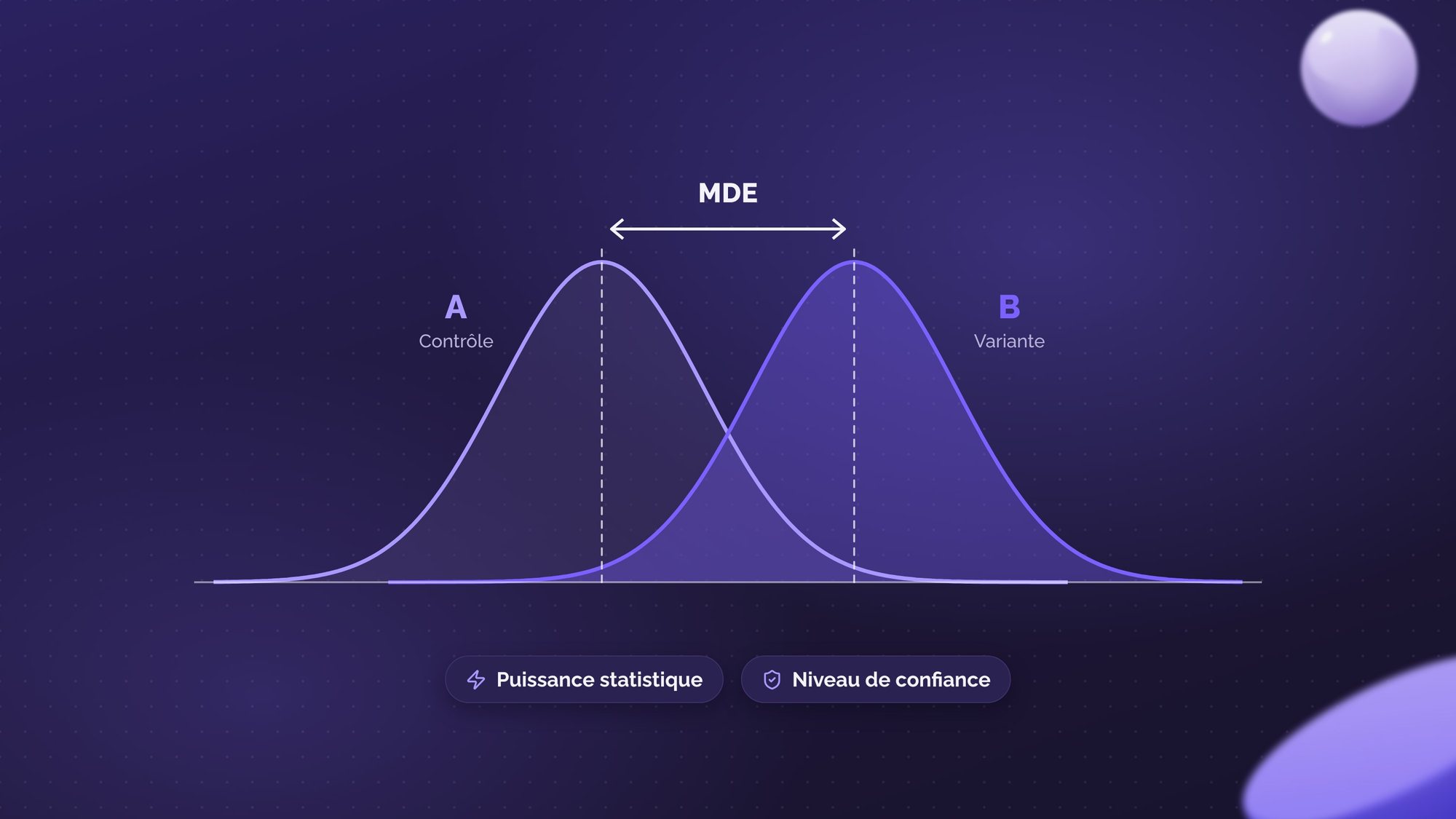
The analysis is based on comparing the performance of the tested variants using key indicators such as conversion rate, click-through rate or bounce rate. A test is considered conclusive if one of the versions shows a significant improvement with a high level of statistical confidence.
A question about your context? Our experts answer you.
Ask your questionArticles from our experts related to A/B testing.
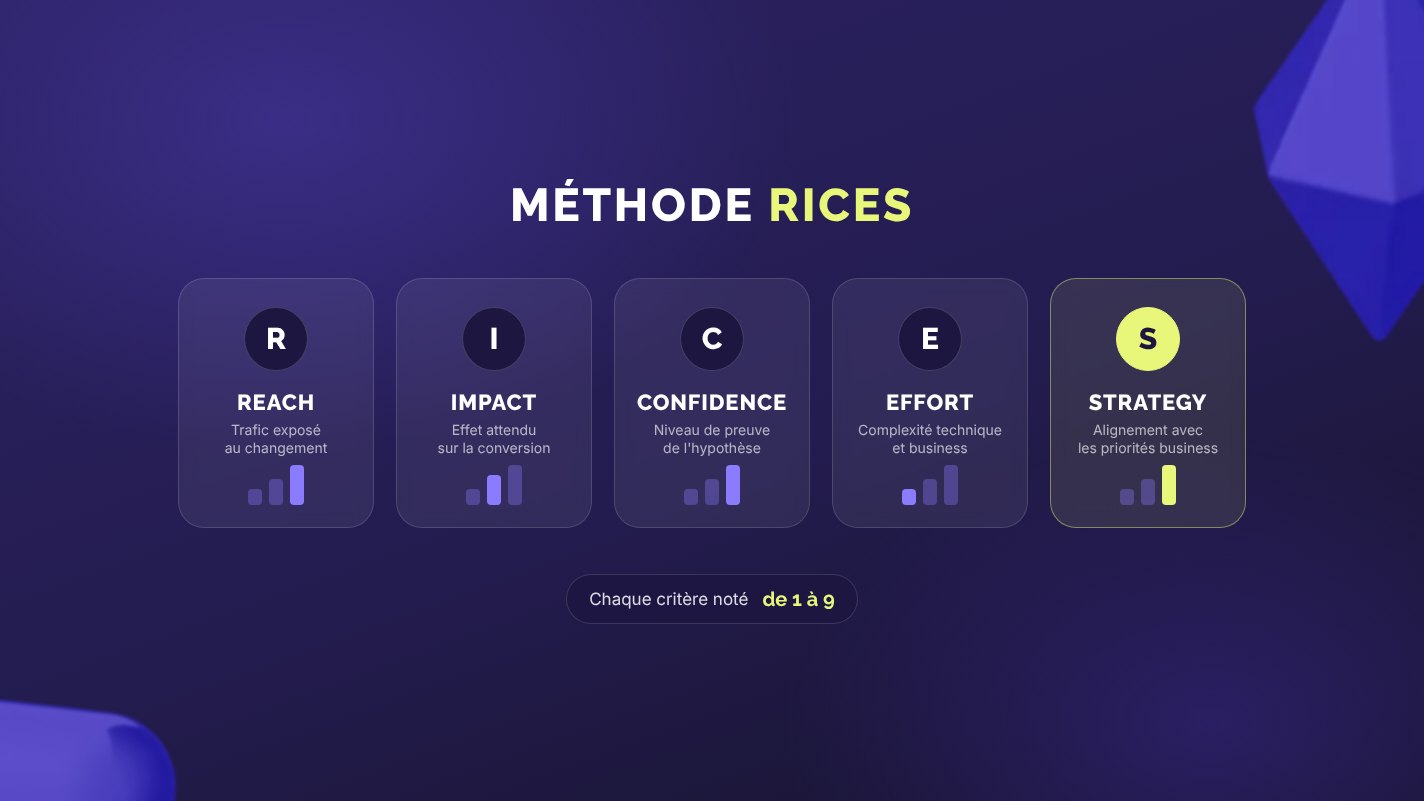
A backlog of 40 test ideas and a single question: where to start? The RICES framework (Reach, Impact, Confidence, Effort, Strategy) turns CRO prioritization into an objective, shared decision.
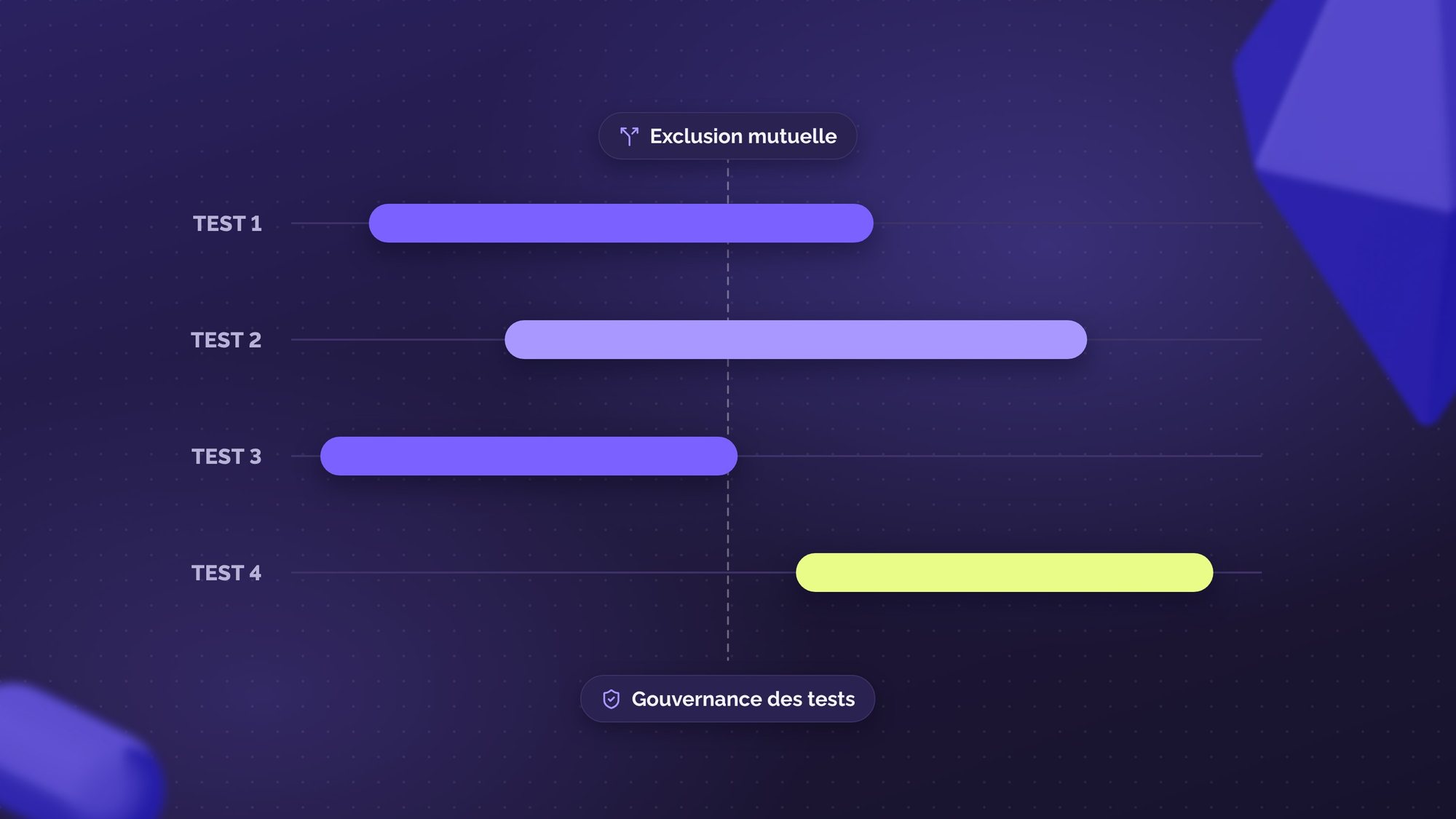
The secret to growth isn't the single A/B test but parallelization governed by impeccable governance.
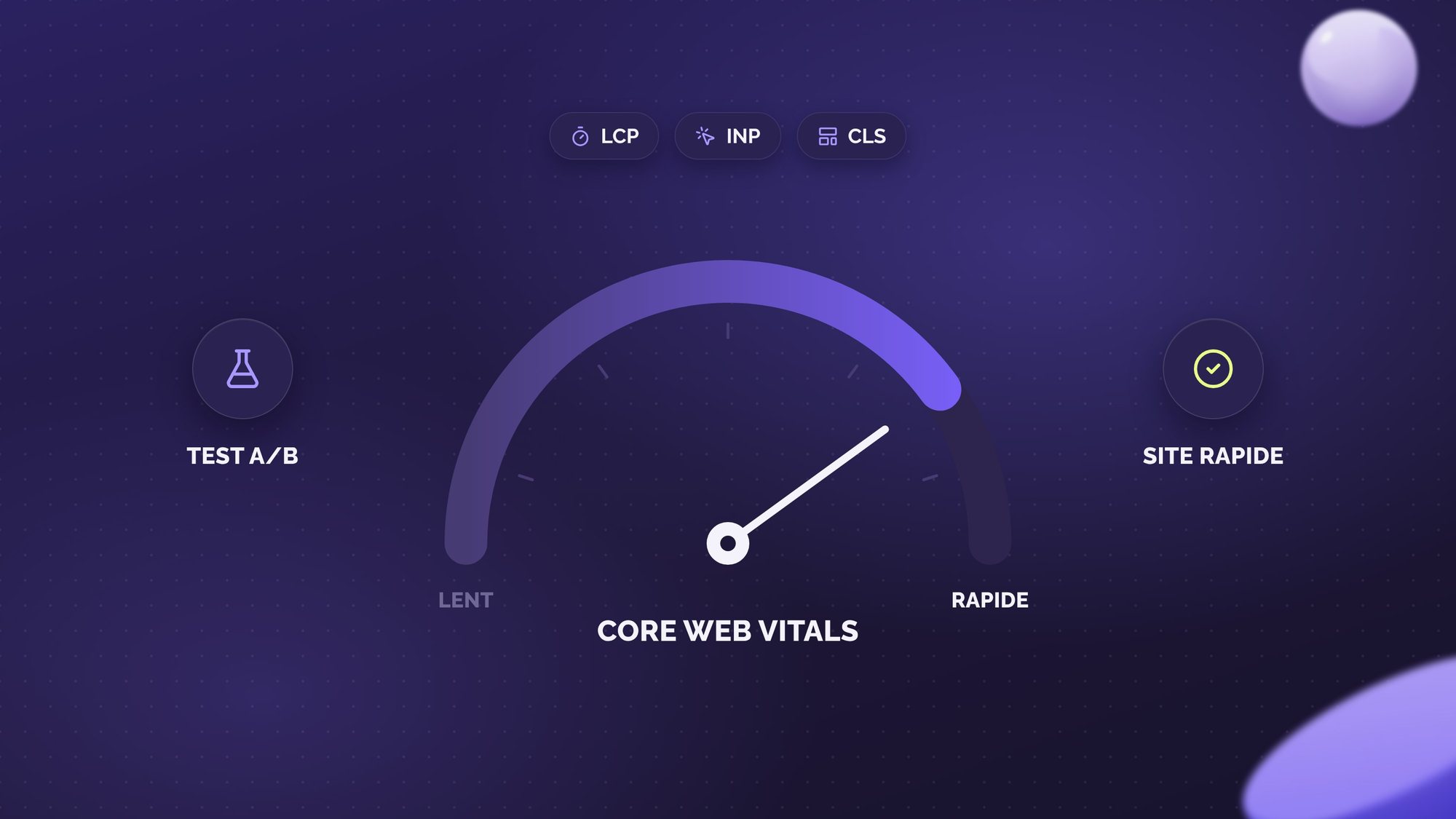
A/B testing is an essential lever for optimizing user experience and business performance.
In the field of CRO (Conversion Rate Optimization), the reliability of A/B test results is essential for making
Did you miss our exclusive webinar on conversion optimization? No worries, the replay is available!
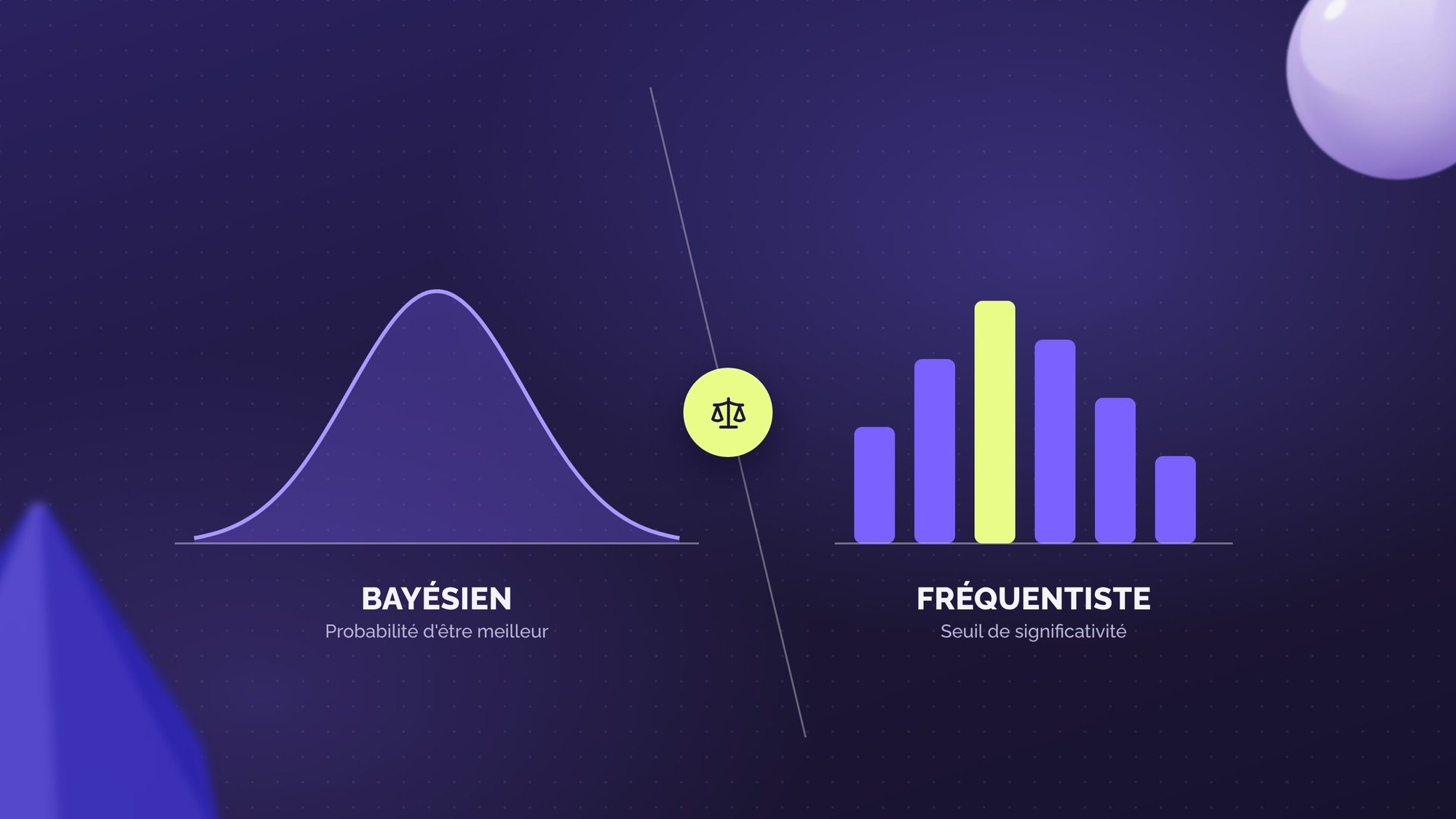
Finally understand the difference between Bayesian and frequentist statistics to optimize your A/B tests.
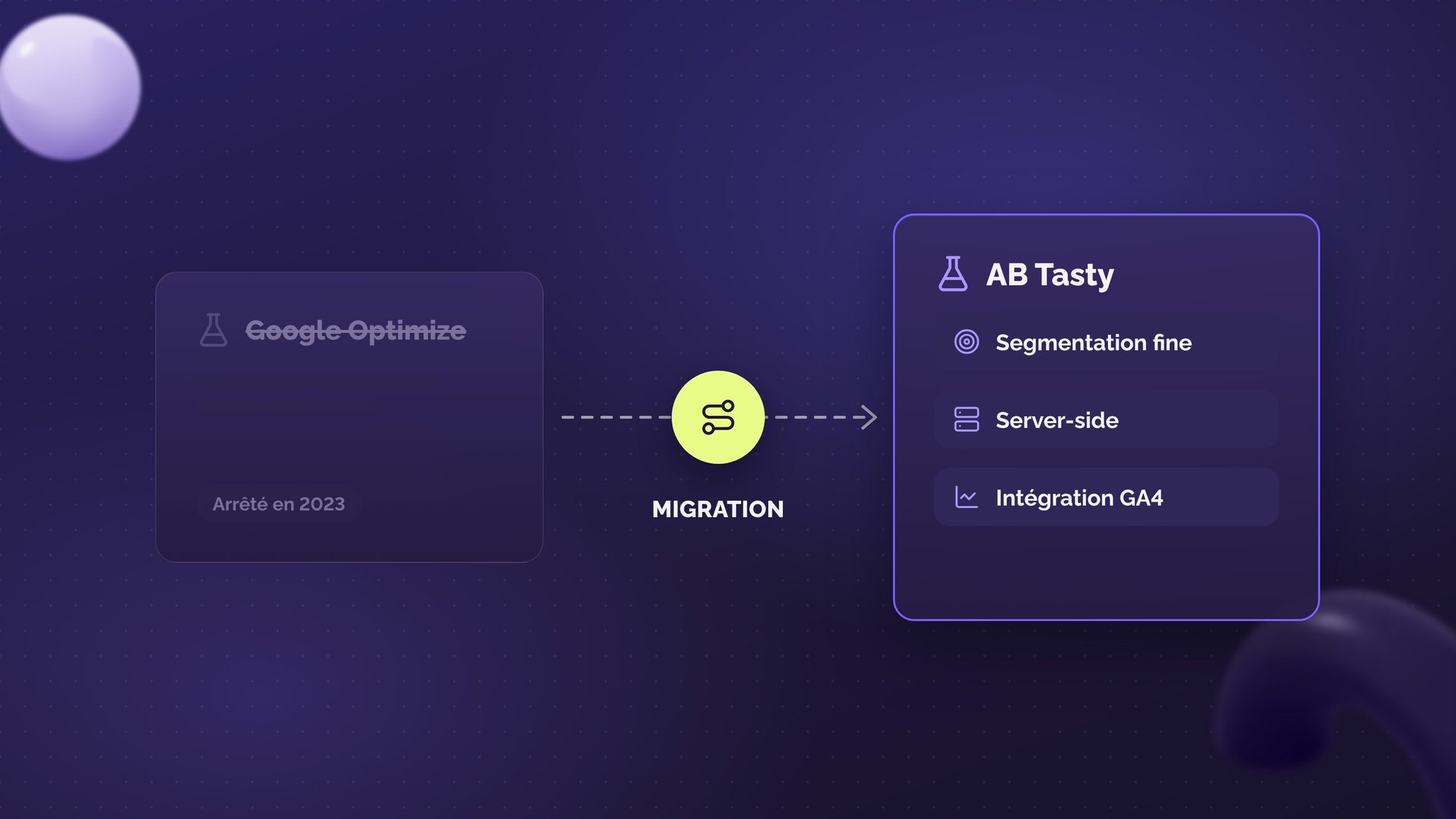
Recently, Google highlighted AB Tasty as a potential alternative for your A/B testing platform.
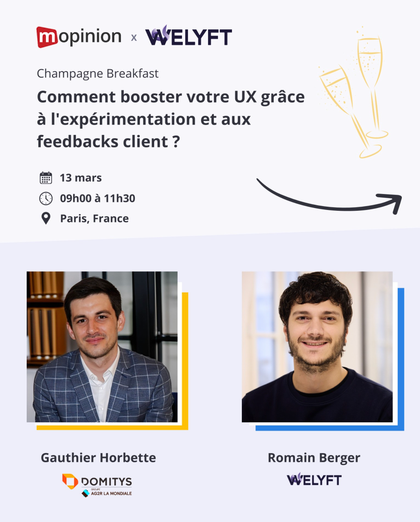
Join us for an inspiring morning with our guest experts, Gauthier Horbette from Domitys and Romain Berger
Measure your maturity in a few minutes, or speak directly to an expert.