


This opinion piece comes from our newsletter WETALK every month, get the best insights to optimise your website's experience and performance!
Omnichannel has become a major challenge for brands seeking to optimise their customer experience. In a previous edition, we talked about team organisation, which is also strategic when implementing an effective omnichannel strategy that can improve user experience and conversion.
But what is omnichannel exactly?
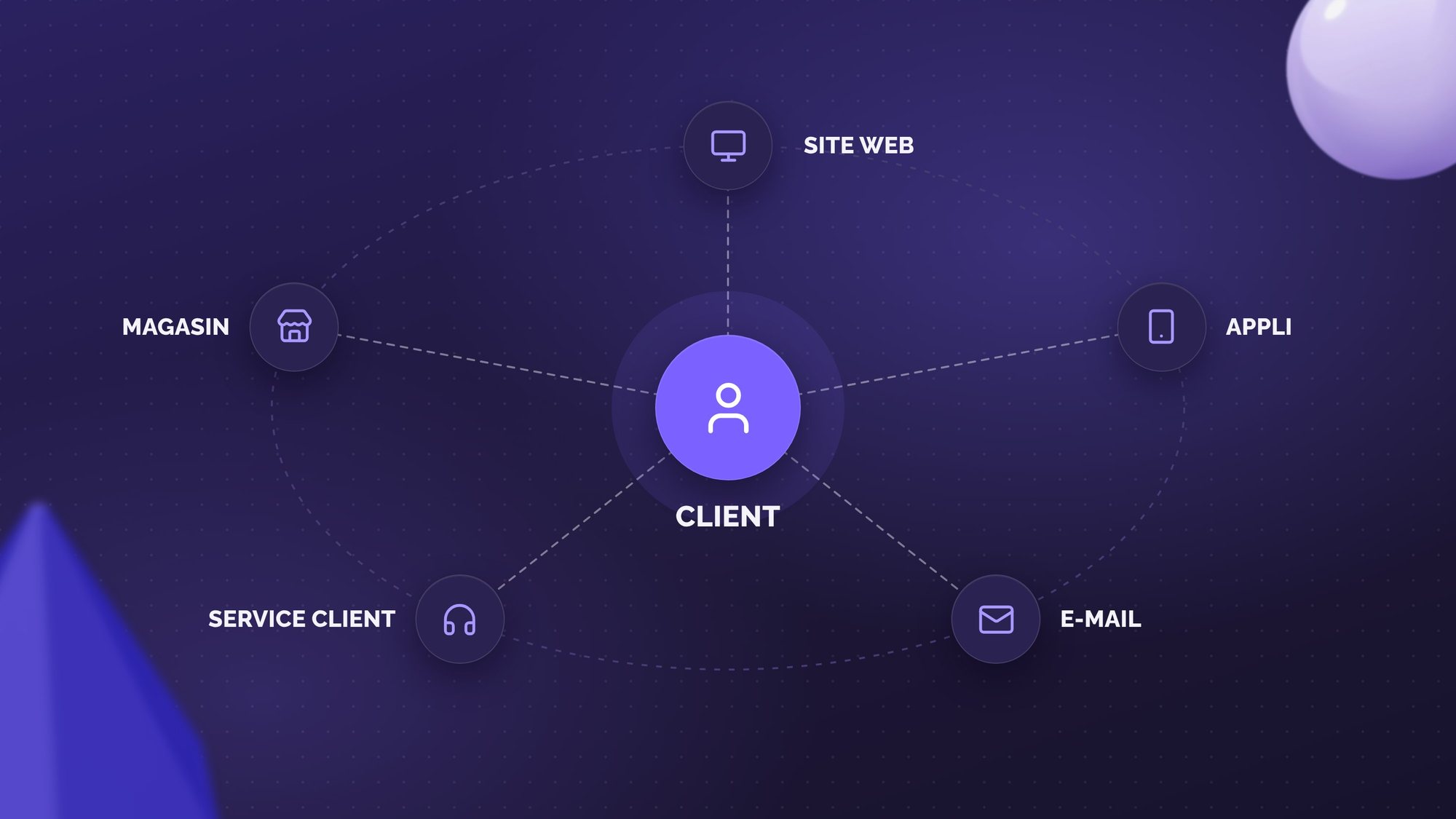
Omnichannel refers to an approach that allows customers to interact with a brand across multiple communication channels and touchpoints, while enjoying a consistent experience.
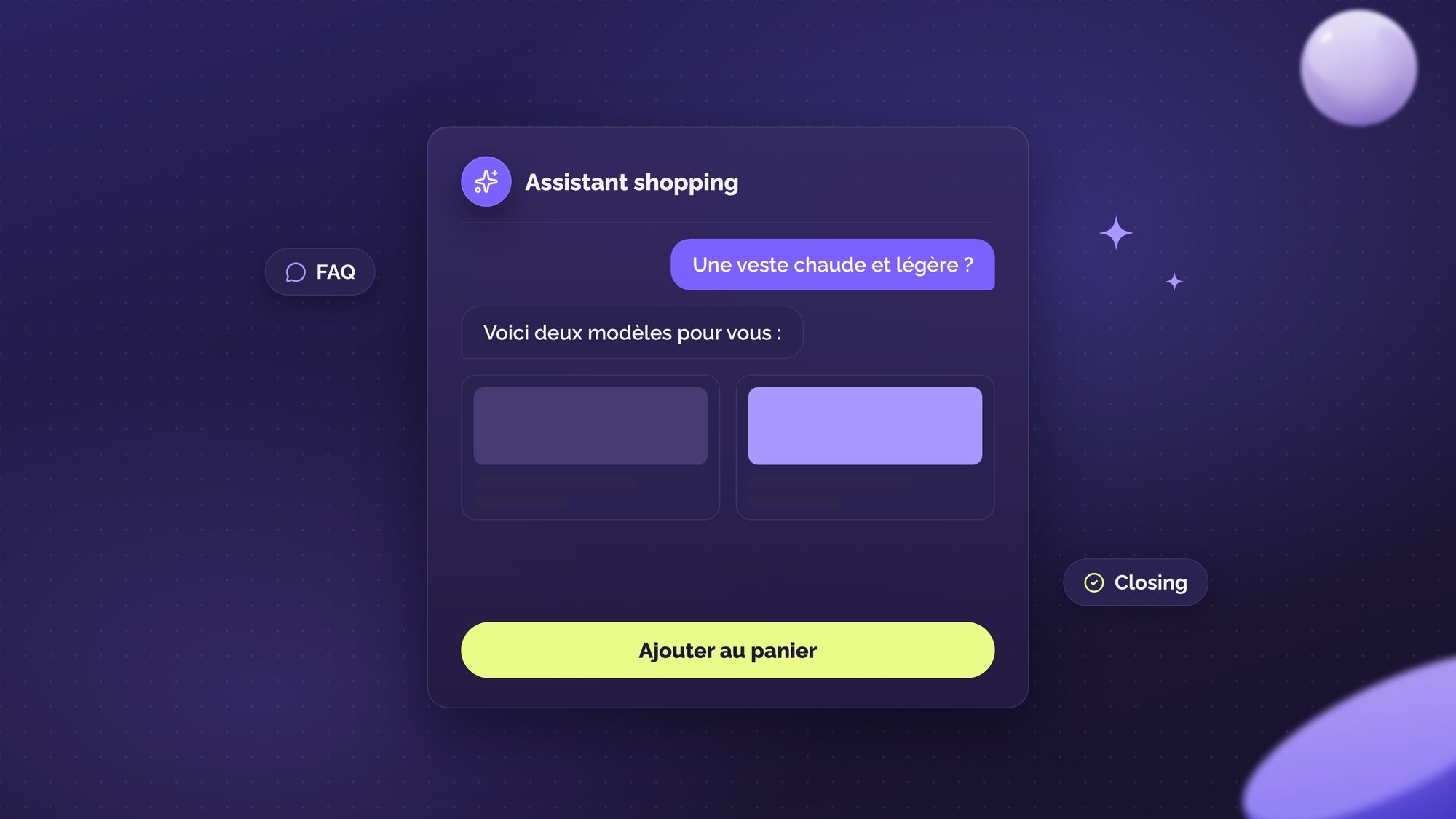
Imagine you walk into a store looking for a jacket. Unable to find your size or the ideal style on the shelf, you head to an interactive kiosk. Thanks to your online browsing history, it instantly suggests relevant recommendations based on your previous searches. This way, you discover similar styles, available in stock or to order.
In just a few clicks, you complete the purchase directly from the kiosk and choose express delivery to your home. This seamless integration between digital, the physical store and real-time personalisation perfectly embodies the essence of modern omnichannel commerce.
On paper, it's impressive!
In reality, it's a bit more complicated to implement…
Indeed, this involves connecting the different channels (web, physical stores, mobile apps, kiosks, etc.) and teams in order to improve the overall experience and therefore performance.
Why is the CRO team well-suited to lead omnichannel experience initiatives?
The CRO team is a key asset for a cross-channel strategy thanks to its ability to analyse customer journeys and audiences in depth. Its test & learn and experimentation culture enables it to quickly deploy new experiences, measure their impact and continuously adjust them. Finally, its mastery of cross-channel personalisation tools, which has mainly been used for A/B testing (Insider, Monetate, Bloomreach, Dynamic Yield…), allows it to centralise and harmonise the user experience across all touchpoints, ensuring a smooth and effective omnichannel approach.
What are the prerequisites for launching an omnichannel strategy as a CRO?
Implementing an effective omnichannel strategy takes time, experimentation and a gradual approach.
Here are the fundamentals to put in place to ensure impact:
1 - Align the organisation
- Break down silos between teams (marketing, retail, customer service, product, data) for a unified vision.
- Raise awareness among teams about omnichannel challenges and personalisation tools to ensure smooth adoption.
2 - Know your customers
- Analyse purchasing behaviours and journeys to understand where and how they interact with the brand.
- Identify key channels and friction points to optimize the user experience.
3 - Unify and activate data
- Centralize all customer information (purchase history, preferences, interactions) for a 360° view.
- Leverage a cross-channel personalization platform (CDP, A/B testing, Automation) to connect data and personalize each interaction in real time.
4 - Imagine and test impactful use cases
- Deploy essential automations such as cart abandonment, post-visit follow-up or personalized product recommendations between the site and emails.
- Experiment with innovative approaches such as next best product predictions via WhatsApp, or augmented in-store experiences via personalized kiosks.
5 - Orchestrate interactions for a seamless experience
- Synchronize channels to ensure a seamless transition between digital and physical (site, app, store, customer service…).
- Automate customer journeys by triggering personalized actions at the right time (smart follow-ups, targeted notifications, contextual messages…).

Of course, data needs to be centralized and, one of the crucial points I often repeat, you need to find a way to get teams talking to each other.
Here too, organization is a pillar for facilitating exchanges between different teams and moving in the same direction!
All this work has a real impact, and brands that invest in these issues reap key benefits:
An optimized experience = More satisfied customers
Fluidity, consistency and simplicity improve satisfaction and loyalty.
More touchpoints = More data = More personalization
Every interaction enriches customer knowledge, enabling more accurate and engaging recommendations.
A 360° view = Boosted conversion and better retention
A comprehensive understanding of the customer makes it possible to optimize every step of the journey and maximize loyalty.
Why is this a real challenge for brands?
Implementing an omnichannel strategy that works is no easy task. It takes time, and it's important to move forward step by step. Overall, here are the main challenges we identify:
- Data silos: by bringing together all personalization data in one place
- Technical and tool complexity: This can be complicated to implement, and above all, you need the right tools to do so. The tech stack in place at brands doesn't always allow for an effective strategy to be implemented.
- The ability to orchestrate the experience relies on strategic mastery and operational flexibility. It's about having enough amplitude to effectively coordinate interactions across channels and generate value for the customer.
- Change management: Teams must be ready to adopt a new culture focused on collaboration!
- Data protection: With increased data collection comes the responsibility to respect customer privacy and comply with current regulations.
Conclusion:
Omnichannel is not simply an added advantage, it has become essential for any company looking to maximize its impact on conversion. By integrating this approach into your CRO strategy, you can not only improve your conversion rates, but also create a unique customer experience that builds long-term user loyalty.
Let's talk whenever you like 😇 or discover Welyft's offers, an agency specialized in user testing.